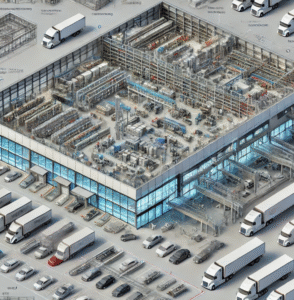
Building Information Modeling (BIM) has transformed the way we design, plan, and manage construction projects by creating intelligent digital twins of buildings and infrastructure. Meanwhile, transportation and logistics companies are the backbone of global supply chains, ensuring that materials, equipment, and resources arrive on time and in the right place.
Individually, each industry is powerful. Together? They become unstoppable.
In today’s fast-paced world, construction projects demand precision, speed, sustainability, and cost efficiency. These goals are nearly impossible to achieve without tight coordination between BIM workflows and transportation logistics. By aligning 3D modeling technology with smart supply chain strategies, BIM companies can reduce delays, optimize material flow, and provide a seamless project experience from concept to completion.
Let’s dive into why this partnership isn’t just beneficial—it’s essential. 🚀
Streamlined Project Planning and Execution
Transportation and logistics companies excel in organizing complex moving parts—routes, lead times, permits, fuel costs, and delivery schedules. When BIM companies collaborate with them early in the project, these details can be incorporated into the 3D model and project timelines.
Instead of reacting to shipment delays or equipment shortages, BIM teams can proactively plan delivery sequences based on accurate logistical data. This reduces costly downtime, improves team communication, and ensures every stage of construction runs smoothly.
Better planning = fewer surprises = faster builds.
Reducing Costs Through Just-in-Time Delivery
Construction sites often suffer from overcrowded storage areas or wasted materials due to early or late deliveries. Logistics partners can implement just-in-time (JIT) delivery strategies, ensuring materials arrive precisely when needed.
When BIM companies integrate these delivery schedules directly into the BIM model, construction teams can visualize material flow and schedule labor accordingly. This reduces inventory waste, onsite storage costs, and expensive last-minute transportation changes.
Efficient logistics = major cost savings 💰
Unlocking Data-Driven Decision Making
BIM is all about data. Logistics is all about optimization. Put them together, and you get real-time, data-driven project intelligence.
By integrating transportation data (delivery tracking, fuel consumption, transit times, carrier performance) into BIM platforms, project managers can forecast delays, compare suppliers, and optimize routes. This level of transparency leads to smarter decisions and greater accountability across the project lifecycle.
According to Wikipedia, logistics covers the detailed organization and implementation of complex operations. That’s exactly what BIM projects need to stay efficient.
Greater Sustainability and Environmental Impact 🌱
Both BIM and logistics play major roles in sustainability. BIM creates energy-efficient designs and reduces construction waste, while logistics companies reduce carbon emissions through optimized routes, fuel-efficient vehicles, and consolidated shipments.
When BIM models include transportation strategies, teams can measure the environmental impact of delivery choices and choose greener alternatives. This supports LEED certification, ESG goals, and modern construction standards.
Working together, they help the planet—and attract eco-conscious clients.
Enhanced Supply Chain Visibility and Transparency
Construction supply chains are often global, complex, and unpredictable. A single delay in shipping steel or concrete can stall an entire project. Logistics companies offer real-time shipment tracking, customs management, and contingency planning.
When this information is connected to BIM dashboards, stakeholders gain full visibility into material status. Instead of guessing, teams know where everything is, when it’s arriving, and how to adjust onsite workflows accordingly.
Transparency builds trust—and prevents chaos.
Improving Safety and Site Coordination
Transportation affects jobsite safety more than many realize. Heavy deliveries, oversized loads, and equipment movement can create risks if not properly coordinated. Logistics professionals ensure compliance with transportation regulations, weight limits, and safe delivery practices.
When BIM companies input these regulations and delivery plans into the model, the team can simulate site movement, identify hazards, and create safer layouts.
Safety isn’t guesswork—it’s planned.
Faster Project Timelines and On-Time Delivery 🕒
Delays are the enemy of profitability. Late deliveries, traffic disruptions, or supply chain breakdowns can set a project back weeks. Logistics companies specialize in anticipating these variables and providing alternative solutions before problems occur.
When BIM integrates these logistics insights into project schedules, teams can adjust designs, coordinate deliveries, and keep projects on time.
Faster timelines = happier clients and higher profits.
Increased Innovation Through Technology Integration
Modern logistics is powered by advanced technologies—GPS tracking, blockchain, AI, drones, and robotics. These tools can integrate with BIM platforms to create smarter, interconnected systems.
Imagine BIM models that automatically update delivery status, inventory levels, and route changes. Or drones that scan job sites and update BIM in real time. Transportation and logistics companies bring this innovation to the table, allowing BIM firms to elevate their capabilities and stay ahead of competitors.
Tech synergy = future-proof partnerships 🤖
Better Collaboration Across All Stakeholders
Construction projects require harmony between architects, engineers, contractors, suppliers, and transportation teams. When BIM and logistics companies work together, they become the bridge that keeps everyone aligned.
BIM models act as the single source of truth. Logistics adds supply chain clarity. Together, they create a shared environment where every stakeholder sees the same information, leading to stronger communication and fewer misunderstandings.
Teamwork isn’t optional—it’s critical.
Access to Global Markets and Opportunities 🌍
Many BIM companies aim to expand internationally. Working with experienced transportation and logistics companies makes that possible by providing global shipping networks, customs expertise, and regulatory compliance.
Industry news sources such as Transport Topics highlight constant developments in supply chain strategies, cross-border logistics, and transportation policy. Aligning with these trends helps BIM firms scale into new regions with confidence.
Big vision needs global logistics.
Staying Competitive in a Rapidly Changing Industry
The construction landscape is evolving. Clients now expect transparency, speed, sustainability, and digital integration. BIM already delivers cutting-edge design intelligence—but without reliable logistics, execution falls apart.
According to The Wall Street Journal’s Logistics News Section, transportation innovations are reshaping industries. BIM companies that embrace these changes can offer end-to-end value rather than just design services.
This partnership isn’t just smart—it’s a competitive advantage.
Conclusion 🚀
The future of construction relies on seamless integration—not just between design teams, but across the entire supply chain. BIM brings precision, visualization, and planning. Transportation and logistics bring movement, timing, and operational excellence.
When these industries join forces:
✅ Projects are completed faster
✅ Costs are reduced
✅ Safety improves
✅ Sustainability increases
✅ Clients get better results
BIM is the brain of modern construction. Logistics is the bloodstream. And a building can’t come to life without both working in harmony.
If BIM companies want to build smarter, scale bigger, and lead the future of construction—they must partner with transportation and logistics companies.
Because in the end, it’s not just about modeling the project.
It’s about delivering it. 🚚🏗️💡