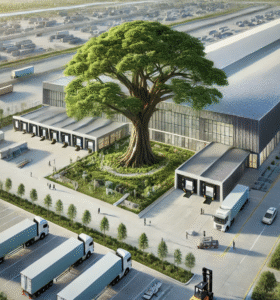
In Memphis, transportation and logistics are the backbone of economic growth. With major distribution hubs, trucking routes, rail lines, and international freight passing through the city daily, logistics centers must operate with precision, safety, and compliance. However, one unexpected factor can disrupt operations, cause costly disputes, or even trigger lawsuits: trees.
Fallen trees, root damage, sightline obstructions, storm-related hazards, environmental regulations—even the history of a tree—can play a critical role in legal and operational issues for transportation facilities. This is where a Tree Expert Witness becomes invaluable.
A Tree Expert Witness isn’t just an arborist. They are qualified professionals who understand tree biology, risk assessment, property law, safety regulations, construction impact, and expert testimony in legal cases. For transportation and logistics centers in Memphis, their expertise can prevent disasters, resolve disputes, and protect millions of dollars in assets.
Below is why every Memphis transportation and logistics center needs a Tree Expert Witness on their team.
Tree-Related Liability and Legal Protection in Transportation
Trees can become major legal liabilities. If a tree or branch falls and damages trucks, distribution equipment, fences, buildings, or power lines, the transportation center could face lawsuits. Determining who is responsible becomes complicated—especially when trees are located on property boundaries or easements.
A Tree Expert Witness can:
-
Assess whether a tree was hazardous and should have been removed.
-
Determine if proper maintenance was performed.
-
Analyze root spread, decay, or structural defects.
-
Provide expert testimony in court to defend or support claims.
In Memphis, where storms, strong winds, and saturated soil are common, logistics centers must prove they acted responsibly. A Tree Expert Witness helps establish facts and prevent blame from being unfairly placed on the facility.
Protecting Truck Access, Visibility, and Safety
Safe access is critical in logistics. Trucks need clear turning radiuses, open visibility at intersections, and unobstructed signage. Overgrown trees can:
-
Block security cameras or traffic signage.
-
Limit visibility during truck entry or exit.
-
Drop debris onto loading docks.
-
Interfere with lighting or road clearance.
According to the Federal Motor Carrier Safety Administration (FMCSA), safety hazards must be prevented anywhere commercial vehicles operate. If an accident occurs due to visual obstruction, the center could be held liable. A Tree Expert Witness can perform risk assessments and recommend legally compliant maintenance plans based on transportation safety standards.
For transportation centers operating 24/7, preventing even one accident can save lives and avoid major lawsuits.
Root Damage to Pavement, Rail Lines, and Underground Infrastructure
Memphis logistics centers rely on heavy-duty pavement, loading docks, rail spurs, utility lines, and drainage systems. Tree roots are powerful and can cause serious structural damage. Roots can:
-
Lift or crack concrete and asphalt.
-
Disturb underground cables and pipelines.
-
Damage stormwater drainage systems.
-
Create uneven surfaces, increasing liability for trip-and-fall claims.
A Tree Expert Witness understands root pattern behavior and can determine whether roots caused the damage, whether pruning or removal was appropriate, and whether the transportation center or neighboring property is responsible.
This expertise is essential when insurance companies or contractors dispute responsibility. Proper analysis can prevent multi-thousand-dollar repair costs—or win them back.
Storm Preparation and Disaster Recovery 🌩️
Memphis experiences tornadoes, ice storms, hurricanes remnants, and heavy thunderstorms. Trees can become deadly projectiles or collapse on infrastructure.
A Tree Expert Witness helps a logistics center:
-
Perform pre-storm inspections.
-
Identify high-risk trees before disaster strikes.
-
Document maintenance to protect against lawsuits.
-
Assist with insurance claims after damage.
-
Provide expert reports required by adjusters or courts.
According to the U.S. Department of Transportation via Transport Topics, severe weather is one of the leading causes of transportation disruptions. Having a Tree Expert Witness involved before and after a storm ensures safety, continuity, and legal protection.
Compliance with Environmental and Municipal Regulations
Memphis and Shelby County enforce tree ordinances and environmental standards—especially for commercial and industrial zones. There are rules for:
-
Tree preservation during construction.
-
Required replanting after removal.
-
Protected species.
-
Mitigation fees.
-
Buffer zones between industrial and residential areas.
Transportation facilities that violate these regulations can face fines, delays, or forced replanting at high cost.
A Tree Expert Witness understands city codes and environmental laws. They help logistics centers stay compliant during expansion, renovation, and land development. They create legally defensible plans that satisfy regulators and avoid shutdowns.
Even the Federal Highway Administration recognizes vegetation management as part of infrastructure safety, as highlighted in Wikipedia’s Transportation Infrastructure article, making compliance crucial at every stage.
Construction, Expansion, and Property Development
Memphis is constantly growing—and transportation hubs are expanding to keep up. Tree-related challenges often arise during:
-
Building new warehouses.
-
Extending truck lots or access roads.
-
Installing rail connections.
-
Upgrading drainage or utilities.
Trees can’t just be removed without proper documentation. Some have historic value. Others may be legally protected. If a tree is damaged during construction and dies later, the logistics center could be blamed and sued.
A Tree Expert Witness provides:
-
Tree impact assessments.
-
Root zone protection plans.
-
Construction monitoring.
-
Long-term health evaluations.
-
Expert defense if conflicts arise with neighbors or the city.
Their involvement protects the project and ensures no delays due to environmental violations.
Neighboring Property Disputes and Boundary Issues
Transportation centers often border other properties: residential areas, commercial lots, or public land. Trees on property lines can spark major disputes.
Common conflicts include:
-
Whose tree is it?
-
Who pays for root or limb damage?
-
Can branches be trimmed without permission?
-
Did construction kill a neighbor’s tree?
A Tree Expert Witness analyzes tree ownership, health, and damage to present facts in a legally recognized way. They provide official reports and may testify in court. This eliminates speculation and protects the logistics center from unjust liability.
Insurance Claims, Documentation, and Litigation Support
When tree damage occurs, insurance companies may try to deny claims. They often argue:
-
The tree was already dead.
-
The property owner was negligent.
-
The damage was unrelated to the tree.
-
Another party is responsible.
A Tree Expert Witness builds a scientifically accurate case using:
-
Core samples.
-
Decay analysis.
-
Root spread mapping.
-
Historical growth data.
-
Maintenance records.
This expert documentation is crucial in legal disputes. Logistics companies move high-value freight and operate expensive equipment—tree-related damages can reach six or seven figures. An expert witness ensures the truth is recognized and compensation is fair.
Publications like Logistics Management emphasize the financial risks logistics centers face daily—proving the need for expert-level protection when unexpected damage occurs.
Sustainability, Reputation, and Community Relations 🌱
Memphis is investing heavily in green infrastructure, sustainability, and community relations. Transportation hubs that maintain healthy trees and green buffers gain public support and meet environmental goals.
But maintaining trees the wrong way can cause more harm than good. Over-pruning, topping, or ignoring storm risks creates liability and damages the environment.
A Tree Expert Witness helps logistics centers:
-
Develop responsible maintenance plans.
-
Preserve healthy trees.
-
Remove dangerous trees legally.
-
Balance operations with sustainability.
-
Improve public perception with documented stewardship.
Modern logistics isn’t just about speed—it’s also about responsibility.
According to SupplyChainBrain, environmental accountability in logistics is more important than ever, making certified tree guidance a smart investment.
Prevention Is Always Cheaper Than Litigation
One lawsuit. One injury. One damaged fleet or shutdown facility can cost millions.
A Tree Expert Witness provides proactive strategies to avoid:
-
Accidents
-
Fines
-
Insurance battles
-
Court cases
-
Construction delays
-
Neighbor disputes
-
Environmental violations
For a major logistics center in Memphis, this is not optional—it’s essential risk management. Prevention is always more affordable than litigation, and expert guidance ensures every decision is defensible.
Conclusion: Tree Expert Witnesses Protect Operations, Property, and Profits
In the fast-paced world of Memphis transportation and logistics, every minute, truckload, and decision matters. Yet trees—often overlooked—can become one of the largest sources of liability, disruption, and legal exposure.
A Tree Expert Witness Memphis brings clarity, safety, compliance, and legal protection. They assess hazards, document facts, support insurance and legal claims, and ensure operations remain uninterrupted and compliant with environmental and municipal regulations.
From storm preparation to construction planning, from property disputes to sustainability, a Tree Expert Witness is not just helpful—they are a strategic necessity for any transportation and logistics center that wants to operate safely, avoid legal trouble, and protect its bottom line in Memphis.
🌳 When trees and transportation collide, only an expert can keep the wheels moving.