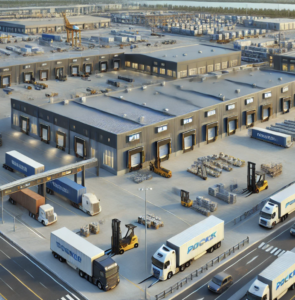
A transportation and logistics center in Ohio lives and dies by land control, access, uptime, and predictable growth. The facility might be built to move freight, stage inventory, run cross-dock operations, or connect truck, rail, and last-mile routes. Yet one of the biggest wild cards under an Ohio site is not a traffic pattern or a zoning line. It is the ownership and control of what sits beneath the property.
Mineral rights in Ohio matter because they can change how a logistics center uses its land, how it expands, what risks it carries, and how lenders, insurers, and buyers value the asset. Mineral development also changes the surrounding transportation environment through heavy-haul traffic, right-of-way activity, utility buildouts, and land negotiations that ripple across industrial corridors. In a state that is already a freight and intermodal powerhouse, the subsurface story can directly shape the surface business. 📦
Mineral Rights Shape Real Control of the Site
A logistics center is a real estate business as much as it is an operations business. The site has to support trailer circulation, employee parking, stormwater retention, detention ponds, fire lanes, setbacks, and future phases. Mineral rights complicate that reality because the “estate” can be split. One party can own the surface while another owns the minerals below. When that happens, the mineral owner may have legal leverage to access and develop those minerals, often with rights that can interfere with surface plans unless negotiated carefully.
For an Ohio transportation and logistics center, that translates into practical constraints. Expansion pads that look perfect on a site plan may sit above areas targeted for future drilling, subsurface storage, or pipeline routing. Even if drilling occurs from an offsite pad, the operator may still need easements, temporary work areas, or access for surveying and maintenance. Those requirements can collide with what a logistics facility values most: uninterrupted use of the property, clean truck flow, safe yard operations, and dependable access points.
This is not theoretical in Ohio. The state’s freight network is heavily tied to intermodal and distribution activity, including major hubs and rail-connected facilities that have been covered in national freight reporting, such as the intermodal strategy around North Baltimore. A useful example of how major freight nodes concentrate investment is described in Journal of Commerce coverage of Ohio’s intermodal landscape at CSX Bets on Ohio Hub to Gain Intermodal Business. If the land under or near that kind of freight activity has split mineral ownership, a logistics operator has one more stakeholder who can impact timelines and cost.
Easements, Pipelines, and Well Infrastructure Affect Layout and Expansion
Logistics centers plan for longevity. That means the original build is rarely the final footprint. Future phases might add doors, parking, cold storage, maintenance buildings, or a second building. Mineral rights introduce another layer of infrastructure that can block, redirect, or delay those plans.
Pipeline easements and related right-of-way corridors are a common friction point. A pipeline easement can limit what can be built above it, how deep foundations can go nearby, where stormwater can be routed, and how heavy loads can cross. It can also create inspection and maintenance access requirements that interfere with security, fencing, and controlled entry points. For a logistics operator, that impacts both capital planning and daily operations.
Even when a company is not directly engaged with oil and gas activity, mineral rights can still trigger negotiations that affect property boundaries, access roads, and drainage solutions. A logistics center that ignores mineral rights during acquisition can end up discovering limitations only when it tries to refinance, add a rail spur, or expand the yard. At that stage, leverage often shifts away from the facility owner because the investment is already anchored to the property.
This is one reason industrial real estate diligence has to include more than environmental and zoning. Mineral title, recorded leases, existing easements, dormant interests, and any surface-use provisions can all shape whether the “best” site stays best after construction is complete.
Energy Development Changes Freight Conditions Around the Facility
A logistics center cares about what happens beyond its fence line. Mineral development can change local freight conditions through increased heavy truck traffic, specialized hauling routes, temporary road restrictions, and large equipment moves that stress intersections and pavement.
When drilling and related infrastructure ramp up in a region, the traffic profile changes. More oversize loads, more sand and water hauling, more construction staging, and more demand for safe truck parking can show up in corridors that already serve distribution and manufacturing. That matters to a logistics center because it affects delivery precision, driver availability, safety exposure, and congestion patterns around gates and access roads.
Ohio already treats freight capacity, trucking conditions, and related infrastructure as a headline issue in industry coverage. For example, Transport Topics regularly tracks the trucking market and the operational conditions that fleets are planning around, including their views heading into 2026 at FTR Expects ‘Marginless Recovery’ for Trucking in 2026. A logistics center that understands mineral activity in its region can better anticipate where capacity constraints, construction disruption, and corridor competition might intensify.
In other words, mineral rights are not only a property-law issue. They can be an early signal of future freight volatility in the immediate area.
Risk, Liability, and Financing All Touch Mineral Rights
Transportation and logistics centers are often financed as long-term industrial assets. Lenders, insurers, and investors want predictable risk profiles. Mineral rights can inject uncertainty into that picture, especially when ownership is fragmented, leases are active, or surface-use terms are unclear.
From a risk standpoint, mineral activity can create concerns about subsidence, vibration, or unexpected site work that complicates building maintenance and pavement performance. It can also introduce additional stakeholders entering the property ecosystem, including operators, contractors, inspectors, and utility crews. More third-party presence can mean more exposure to incidents, more administrative overhead, and more insurance complexity.
From a financing standpoint, mineral-rights issues can affect appraisal assumptions and exit value. If a future buyer sees unresolved mineral constraints, they may discount the asset or demand additional legal protections. If a lender sees uncertainty about easements or access rights, it can slow underwriting or tighten terms. The cost is not only legal fees. The cost is delay, uncertainty, and reduced flexibility.
Industry news is full of examples showing how quickly logistics risk can reshape business outcomes, particularly when unexpected variables hit operations and balance sheets. Transport Topics coverage of disruption in the logistics sector, such as STG Logistics Files for Bankruptcy, Continues Operations, illustrates how operational stability and financial confidence are constant priorities in freight-facing businesses. Mineral rights are a quieter variable, but they still touch stability because they influence the core asset that operations depend on.
Mineral Rights Can Support an On-Site Energy and Fuel Strategy
Mineral rights are not only a risk. In some situations, they can be an opportunity. Logistics centers are increasingly interested in energy resilience, predictable fuel costs, and on-site power options. If a facility controls mineral rights or can negotiate favorable terms, it may be able to position itself near future energy infrastructure, negotiate access in ways that protect operations, or align with local utility planning.
Natural gas availability can influence the economics of facility heating, backup power, and certain fleet strategies. Even when a facility does not intend to participate directly in extraction, the presence of energy development can accelerate utility upgrades and corridor investment that benefit industrial users. The key is control and clarity. A logistics center benefits most when it has defined agreements that protect truck flow, security, and expansion rights while allowing the broader region to develop responsibly.
Warehouse and industrial market reporting often connects facility demand and investment to broader infrastructure and economic forces. FreightWaves coverage of warehousing demand and market direction, such as Warehouse demand at coastal gateways to return in 2026, underscores how site strategy and long-term planning are central in logistics real estate. Mineral rights belong in that same planning category because they can influence long-term cost and operational resilience.
Why This Hits Harder in Ohio’s Logistics Footprint
Ohio is positioned as a national logistics crossroads, with dense highway connectivity, significant warehousing growth, and intermodal concentration. That creates constant competition for the best land. As demand rises, development pushes into more complex parcels, including tracts with older mineral severances, legacy leases, or overlapping easements. The more competitive the market becomes, the more likely it is that a logistics center will face mineral-rights complexity during acquisition or expansion.
That is also why leaders in logistics pay attention to location fundamentals and the forces shaping industrial development across Ohio. Regional logistics organizations publicly track investments that affect freight operations, including truck parking and infrastructure needs that directly influence driver experience and yard access, as described by the Columbus Region Logistics Council at Columbus Region Logistics Council Applauds Major Investment in Ohio Truck Parking Expansion. Mineral development can add to the pressure on parking, staging, and freight corridors, which circles back to why the subsurface matters.
For baseline clarity on the freight concepts involved, it helps to anchor definitions. A straightforward reference point for the underlying field is Logistics on Wikipedia, which frames how transportation, warehousing, and distribution rely on coordinated infrastructure and land use.
Conclusion
A transportation and logistics center in Ohio cares about Mineral Rights in Ohio because mineral rights can reshape the real control of a site, restrict or complicate expansion, drive easements and infrastructure that interfere with layout, and alter freight conditions around the facility. They also influence financing confidence, insurance posture, and long-term asset value. In a state where logistics and freight growth continue to attract investment, mineral rights are a practical operational issue hiding inside real estate paperwork.
When the land is the platform for the business, what lies beneath the land can influence the entire business. 🚛✅