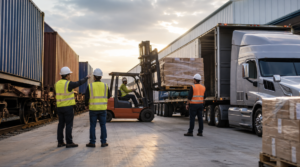
The transportation and logistics industry has always rewarded companies that can move faster, adapt quicker, and reduce unnecessary costs without sacrificing reliability. As supply chains become more complex, businesses are looking for smarter ways to move freight across regions, ports, rail yards, warehouses, and final delivery points. One strategy gaining serious attention is Transloading, a freight solution that helps companies transfer goods from one mode of transportation to another while improving flexibility, speed, and cost control.
In an industry shaped by rising customer expectations, port congestion, changing fuel costs, labor challenges, and unpredictable demand, transloading has become more than a basic freight-handling service. It is now a strategic advantage. Companies that understand how to use transloading effectively can create leaner supply chains, reduce bottlenecks, improve distribution options, and respond faster when market conditions change.
Transportation and logistics no longer operate in a simple point-A-to-point-B environment. Freight may move by ocean container, rail, truck, air, warehouse transfer, or a combination of several modes before reaching its destination. That is why transloading is becoming a secret weapon for shippers, manufacturers, retailers, importers, exporters, and third-party logistics providers that need smarter freight movement in a competitive market.
What Transloading Means in Modern Transportation and Logistics
Transloading is the process of transferring freight from one transportation mode to another. A shipment may arrive by rail and then be transferred to a truck for final delivery. Imported goods may arrive in ocean containers and then be unloaded, sorted, palletized, or reloaded into domestic trailers. Bulk materials may move from railcars into trucks, containers, or storage facilities. According to Wikipedia, the process is commonly used when one transportation mode cannot complete the entire journey.
In practical terms, transloading gives businesses more options. Instead of being locked into one mode of transportation from origin to destination, companies can combine the strengths of different freight methods. Rail may be more economical for long-distance movement, while trucking may provide better local reach. Ocean freight may bring goods into a port, while domestic transportation handles distribution inland. Transloading creates the bridge between those systems.
This flexibility is especially valuable in transportation and logistics because freight networks are constantly changing. A business may need to shift routes, reduce storage costs, avoid delays, serve multiple markets, or respond to seasonal demand. Transloading allows companies to make those adjustments without completely rebuilding their supply chain.
Why Businesses Are Paying More Attention to Freight Flexibility
One of the biggest reasons transloading is growing in importance is the need for flexibility. Modern supply chains face disruptions from weather, port delays, labor shortages, customs issues, rail congestion, trucking capacity, and changing consumer demand. The Bureau of Transportation Statistics tracks freight movement across modes, showing how deeply connected truck, rail, air, water, and border freight activity really is.
When one part of the freight network slows down, companies need options. Transloading gives them the ability to redirect goods, change transportation modes, consolidate shipments, deconsolidate freight, or move inventory closer to customers. That flexibility can help reduce downtime and keep products moving even when the original route is no longer ideal.
For example, a company importing goods through a port may not want to keep every shipment inside international containers for the entire inland journey. By using a transloading facility near the port, the goods can be unloaded and moved into domestic trailers, sometimes allowing for better weight distribution, faster routing, and more efficient delivery. This can also help companies avoid unnecessary container detention or storage costs.
How Transloading Helps Control Transportation Costs
Cost control is one of the strongest reasons companies use transloading. Freight costs can rise quickly when businesses rely too heavily on one mode of transportation or fail to optimize how goods move through the supply chain. Transloading allows companies to compare and combine transportation methods instead of accepting a single expensive route.
Rail is often efficient for long-distance freight, while trucking is ideal for regional and final-mile delivery. By combining the two through transloading, businesses may reduce long-haul trucking expenses while still maintaining strong delivery coverage. This is especially helpful for companies shipping large volumes, heavy materials, consumer goods, industrial products, food products, building materials, or imported merchandise.
Industry publications such as FreightWaves regularly cover freight market trends, trucking capacity, rail activity, and supply chain movement. These trends matter because transportation costs are not fixed. Rates can change based on fuel, demand, equipment availability, labor conditions, and regional freight volume. Transloading gives shippers more room to adjust when pricing pressure increases.
A company that uses transloading strategically may also reduce empty miles, improve trailer utilization, lower storage costs, and consolidate multiple shipments more efficiently. When freight is handled correctly at the transfer point, the entire transportation plan can become more economical.
The Role of Transloading in Port and Rail Efficiency
Ports and rail yards are critical parts of transportation and logistics. They connect international trade with domestic distribution networks. However, these locations can also become bottlenecks when freight volume increases or when equipment is limited. Transloading helps relieve pressure by moving cargo out of congested areas and preparing it for faster inland distribution.
For importers, this can be especially valuable. Once goods arrive at a port, companies often need to move them quickly to warehouses, stores, fulfillment centers, or manufacturing locations. A well-positioned transloading facility can unload international containers, organize products, inspect freight, repackage goods when needed, and load them into domestic trucks or rail equipment.
Rail also benefits from transloading because it allows freight to move efficiently over long distances before being transferred for local delivery. The American Trucking Associations regularly highlights the importance of trucking within the freight economy, and transloading supports that role by making truck movement more targeted and efficient. Instead of using trucks for every mile, companies can use them where they are most effective.
This partnership between rail, trucking, ports, and warehouses is one reason transloading has become a major part of modern logistics planning. It does not replace any one mode of transportation. It helps each mode work better together.
Why Transloading Supports Faster Distribution
Speed matters in transportation and logistics. Retailers need inventory available. Manufacturers need raw materials on time. Construction suppliers need materials delivered to job sites. E-commerce companies need products moving through fulfillment channels quickly. Delays can affect sales, production schedules, customer satisfaction, and cash flow.
Transloading supports faster distribution by reducing unnecessary handling and creating more direct routing options. When goods are transferred at the right location, they can be sorted and sent to multiple destinations instead of traveling through a slower or less efficient path. This is especially useful for companies serving several regional markets from one inbound shipment.
For example, a shipment arriving from overseas may contain products for multiple warehouses. Instead of sending the entire container to one location and redistributing it later, a transloading facility can separate the goods earlier in the journey. This allows freight to move directly to the right regional destination, saving time and reducing extra transportation steps.
Publications such as Transport Topics cover trucking, freight, logistics technology, infrastructure, and supply chain trends that influence how goods move across the country. As delivery expectations rise, companies need logistics strategies that create speed without adding unnecessary complexity. Transloading helps solve that problem by making freight movement more intentional.
How Transloading Improves Inventory Strategy
Inventory strategy is closely tied to transportation performance. When goods are stuck at a port, sitting in the wrong warehouse, or delayed in transit, businesses lose visibility and control. Transloading can improve inventory flow by helping companies position products closer to demand.
Instead of treating transportation as a single movement, businesses can use transloading as a decision point. Freight can be sorted, inspected, relabeled, repacked, palletized, or redirected based on current demand. This is valuable for companies that serve multiple regions, manage seasonal products, or need to react quickly to changing customer orders.
For logistics managers, this creates better control over inventory placement. Products can move closer to the customers, stores, job sites, or distribution centers that need them most. This can reduce long-term storage requirements and help companies avoid overloading one warehouse while another location runs short.
The result is a supply chain that feels less rigid. Rather than waiting until freight reaches its final destination to make decisions, companies can use transloading points to improve timing, routing, and allocation.
Why Transloading Matters for Supply Chain Resilience
Supply chain resilience has become one of the biggest priorities in transportation and logistics. Businesses learned that having only one route, one port, one carrier, or one transportation method can create serious risk. When disruptions happen, companies need backup options.
Transloading supports resilience because it gives companies more ways to keep freight moving. If truckload capacity tightens, rail may become more attractive. If one warehouse is overloaded, freight may be redirected. If a port becomes congested, cargo may be routed through another gateway and transloaded closer to available transportation.
Industry resources such as Supply Chain Dive frequently report on logistics trends, supply chain disruption, warehousing, freight movement, and distribution challenges. These topics show how important adaptability has become. Transloading gives companies another layer of control during uncertain conditions.
A resilient supply chain is not always the cheapest supply chain on paper. It is the supply chain that can continue operating when problems arise. Transloading helps create that resilience by giving companies practical alternatives.
The Connection Between Transloading and Better Customer Service
Customer service in transportation and logistics depends on timing, communication, consistency, and reliability. When freight arrives late or inventory is unavailable, customers feel the impact. Transloading can help improve service by creating better routing options and reducing preventable delays.
For retailers, this may mean getting products to store shelves faster. For manufacturers, it may mean receiving raw materials before production slows down. For construction and industrial companies, it may mean getting heavy or bulk materials where they need to go without relying on one transportation method.
A strong transloading partner can also provide better visibility during the freight transfer process. When goods are handled, counted, inspected, and prepared properly, companies gain more confidence in what is moving and where it is going. That visibility supports better planning and better customer communication.
In competitive markets, customer service is not only about the final delivery. It is about how well the entire freight process supports the customer experience. Transloading helps companies build a smoother and more responsive logistics operation.
Why Transloading Is Becoming a Competitive Advantage
Transloading is becoming a competitive advantage because it solves several logistics problems at once. It helps companies reduce costs, improve speed, increase flexibility, support multimodal freight movement, reduce congestion issues, and strengthen supply chain resilience. That combination is powerful.
In the past, some businesses may have viewed transloading as a simple transfer service. Today, it is better understood as a strategic logistics tool. The companies using it well are not just moving freight from one vehicle to another. They are designing smarter freight flows.
The Journal of Commerce covers global trade, container shipping, ports, intermodal transportation, and logistics developments that affect how businesses move goods. In that kind of fast-changing environment, companies that can adjust freight movement quickly often have an advantage over companies stuck with slower, less flexible systems.
Transloading also supports growth. As businesses expand into new markets, add suppliers, increase import volume, or serve more customers, their logistics needs become more complex. Transloading gives them a way to scale without forcing every shipment through the same rigid path.
Conclusion
Transloading is becoming the secret weapon in transportation and logistics because it gives companies what modern supply chains demand most: flexibility, efficiency, speed, and control. As freight networks become more complex, businesses need solutions that connect ports, rail, trucking, warehouses, and final delivery in a smarter way.
By using transloading strategically, companies can reduce transportation costs, improve freight routing, respond to disruptions, support faster distribution, and create stronger inventory flow. It helps businesses make better use of each transportation mode instead of relying too heavily on one method.
In a market where delays, rising costs, and supply chain uncertainty can affect profitability, transloading offers a practical advantage. It allows freight to move with more purpose, more flexibility, and more resilience. For companies that want to compete in today’s transportation and logistics environment, transloading is no longer just an optional service. It is becoming one of the most important tools in the modern supply chain.